Bed Bugs
Small parasitic insects that feed on human blood, typically at night, causing itchy bites.
About Bed Bugs
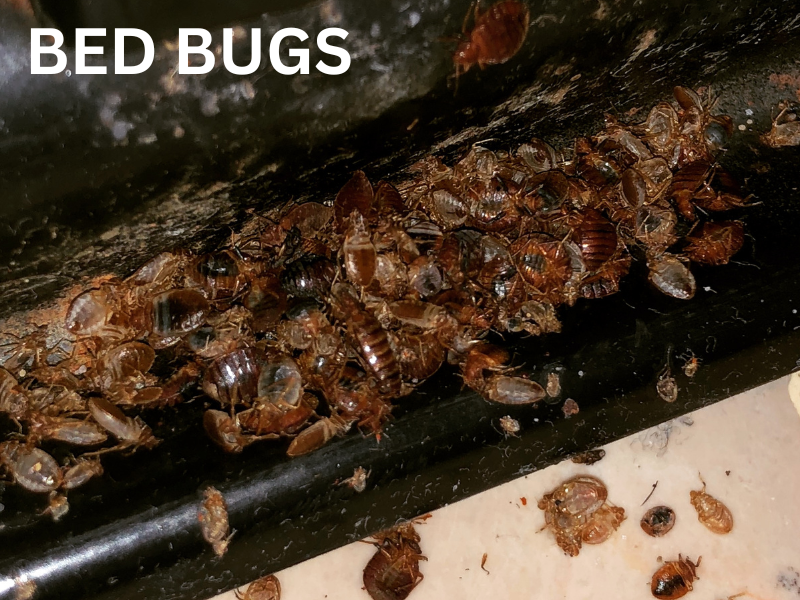
Bed bugs are small, flat, reddish-brown parasitic insects that feed exclusively on the blood of humans and animals. Adult bed bugs are about the size of an apple seed, while younger nymphs are smaller and lighter in color, making them harder to spot. They are primarily nocturnal and hide during the day in cracks and crevices such as mattress seams, box springs, bed frames, baseboards, electrical outlets, and furniture joints.
Bed bugs do not fly or jump but are excellent hitchhikers. They commonly spread by attaching themselves to luggage, clothing, used furniture, and other personal belongings. Infestations can occur in homes, apartments, hotels, and even vehicles. Contrary to popular belief, bed bugs are not a sign of poor hygiene—they can infest any environment where people are present.
Their bites often appear as small, red, itchy welts, typically in clusters or lines on exposed skin. While they are not known to transmit diseases, their presence can cause significant discomfort, sleep disruption, and stress. Signs of an infestation include live bugs, tiny white eggs, shed skins, dark fecal spots on bedding or walls, and a musty odor in heavily infested areas.
Bed bugs reproduce quickly, with females laying hundreds of eggs in their lifetime, allowing infestations to grow rapidly if not addressed. Effective control usually requires a combination of professional treatment methods, including targeted insecticides, heat treatments, and thorough inspection and preparation to eliminate all life stages.
Identification
Adults: 4-5mm long, flat, oval, reddish-brown. Nymphs: smaller, lighter colored, translucent until they feed. Eggs: tiny, white, oval (1mm). After feeding, bodies become elongated and dark red.
Signs of Infestation
Red or rust-colored stains on bedding from crushed bugs. Tiny dark spots (fecal matter) on sheets, mattresses, or walls. Sweet, musty odor in heavy infestations. Actual bugs in mattress seams, headboards, or furniture. Shed skins from molting nymphs. Itchy bite marks in lines or clusters.
Health & Safety Risks
Bed bug bites cause itchy welts and can lead to secondary infections from scratching. Some people experience allergic reactions. Infestations cause significant psychological distress, anxiety, and sleep deprivation. They don't transmit diseases.
Prevention Tips
Inspect second-hand furniture before bringing home. Use protective mattress encasements. Reduce clutter in bedrooms. Vacuum regularly. Check hotel rooms when traveling. Keep luggage elevated and away from beds. Wash and dry bedding on high heat regularly.
Need Help with Bed Bugs?
Our licensed pest control professionals can eliminate your pest problem quickly and safely.